Analysis of emissions on industrial engines
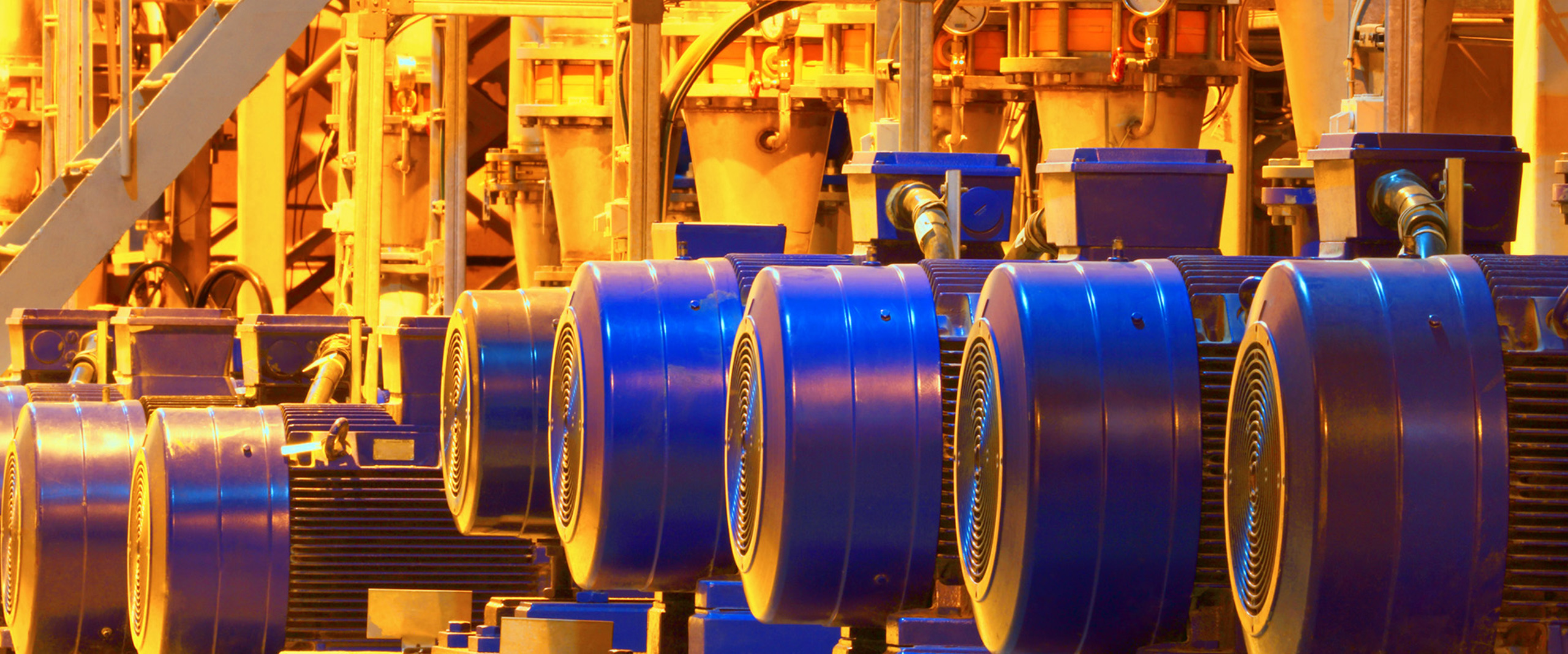
There are many types of industrial internal combustion engines, stationary or mobile, which can run on gas or diesel. Engines can run at lean combustion with a high air/fuel ratio (AFR: air to fuel ratio ), or at rich combustion with a low AFR ratio.
Combustion exhaust contains polluting gases such as CO, NO, NO2, NOx and hydrocarbons (CxHy) together with particulate matter. The measurement of emissions is fundamental for several reasons.
The emissions analysis helps in fine-tuning of combustion processes increasing performance and security .
Monitoring processes allows you to promptly identify potential interventions on the systems necessary for adapt to the regulations in force regarding emissions into the environment.
Measuring O2 and CO levels immediately after the combustion process , before the gases reach the catalyst filter, gives an indication of how lean or rich the combustion is. This value can be used to fine-tune the process and optimize its performance .
Another reason to measure O2 levels in exhaust gases after the catalytic filter is due to the fact that most emissions reports are based on a given reference O2 value , which for industrial engines varies between 11% and 15%.
Significant levels of CxHy hydrocarbons above the manufacturer's recommended limits, are an indication of excess fuel , underlining the need for further regulatory interventions to resolve a problem with a high risk potential , especially in engines using natural gas.
It must be considered that the presence of large concentrations of CO, NOx and hydrocarbons in chimneys brings with it dangers for both health and safety : for this reason they are regulated by state laws.
To carry out the measurements described Seitron offers three portable analyzers to choose from according to your needs: Novo (up to 4 gases), Chemist 600/ 600 Be Green (up to 6 gases), Chemist 900 (up to 12 gases).
All these models can be equipped with O2, CO, NO and NO2 and are capable of measuring CxHy and NOx (NO+NO2).