
Portable Gas Leak Detector: How It Works and Why It's Useful
In the world of workplace safety, prevention is everything. In industrial environments, chemical plants, construction sites, or confined spaces, a gas leak can become a serious hazard to the health of workers and the surrounding environment. This is why the use of a portable gas leak detector is not only recommended but often legally required.
These compact yet highly technological devices are designed to provide continuous, real-time protection, allowing operators to detect the presence of toxic, flammable gases, or oxygen deficiency before they can cause irreparable damage.
Types of Sensors
There are mainly two categories of portable gas detectors:
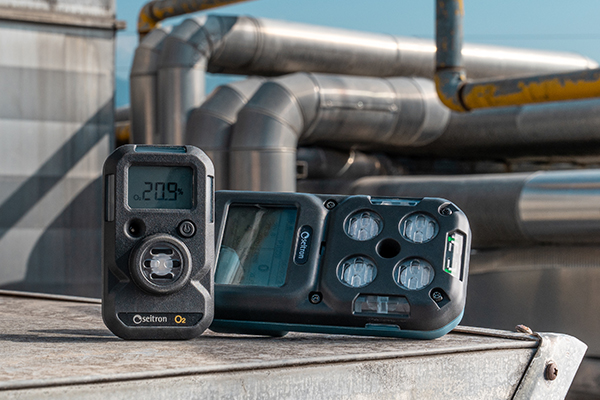
- Single Gas Detectors: Designed to monitor a single type of gas, such as carbon monoxide (CO), hydrogen sulfide (H₂S), or oxygen (O₂), such as the model Be Safe SG. These are ideal for environments where a specific risk is known.
- Multi-Gas Detectors: Capable of simultaneously detecting multiple gases. An example is the Be Safe MG, which can monitor up to four gases simultaneously. These devices are perfect for complex and variable environments, such as sewers, tanks, or industrial sites, for example, in the petrochemical, mining, or maritime sectors.
How Does a Portable Gas Detector Work?
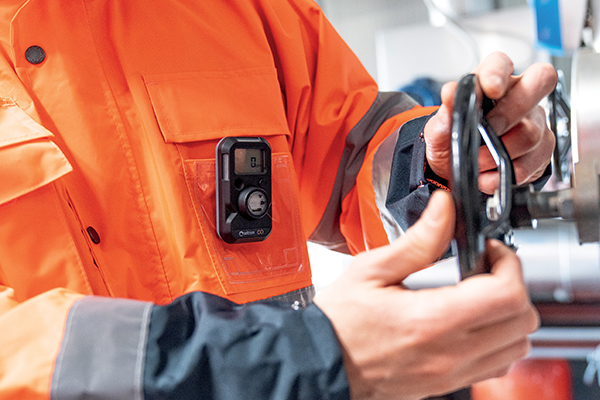
A portable gas detector is equipped with electrochemical, catalytic, or infrared sensors, which constantly analyze the surrounding air. When the device detects a gas concentration above preset safety limits, it emits an acoustic, visual, and vibrating alarm signal.
These tools are battery-powered and often come with a digital display, data logger functionality (for data recording), and wireless connectivity for remote monitoring.
The most common sensors are:
- Oxygen (O₂): Detects oxygen deficiencies or excesses, essential in confined spaces.
- Flammable gases (LEL): Detects the risk of explosions.
- Toxic gases (CO, H₂S, NH₃, Cl₂): Signals dangerous levels for health.
Where and When Is a Portable Detector Used?
The use of a portable detector is crucial in many situations:
- Access to confined spaces (tanks, silos, tunnels)
- Work in power plants or petrochemical plants
- Maintenance of gas or industrial facilities
- Operations in the sewage and treatment sectors
- Interventions in explosion risk areas (ATEX)
Standards and Certifications to Consider
A good detector must be certified according to current regulations, such as ATEX for explosive risk environments, and IECEx. Furthermore, it is important that it is easily calibratable and maintainable to ensure consistently reliable performance.
Using a portable gas leak detector is not just a safety measure: it is an investment in the health of workers, operational continuity, and compliance with regulations. For those working on construction sites, in industrial plants, or in the service sector, always having a device like the Be Safe MG multi-gas detector, or the Be Safe SG single gas models, can make the difference between a safe environment and an avoidable risk.