How to reduce CO2 emissions?
The CO2 emissions are at the center of environmental concerns, as they significantly contribute to global climate change. In this article, we will explore what do we mean by CO2 emissions , how they are measured and the importance of emissions analyzers for companies.
What do we mean by CO2 emissions?
CO2 emissions, or carbon dioxide , refer to the amount of gas released into the atmosphere through various human activities and natural processes.
Below are some of the main sources of air pollution and of CO2 emissions :
- Combustion of fossil fuels
- Biomass combustion
- Emissions from industries and factories
- Heating of buildings and houses
- Chemical and petrochemical plants
- Agricultural activities
- Transport and in general pollution in cities
- Mining
CO2 emissions are one of main causes of the greenhouse effect and global warming . Carbon dioxide is undoubtedly the best-known greenhouse gas, the others are methane (CH4), nitrous oxide (N2O) and hydrofluorocarbons (HFC). However, to measure the impact of a greenhouse gas, the unit of measurement is used as a unit of measurement. CO2 equivalent (CO2 eq), which measures the CO2 equivalent of a certain quantity of gas.
For further information: The main sources of pollution: what is their impact .
How are CO2 emissions measured?
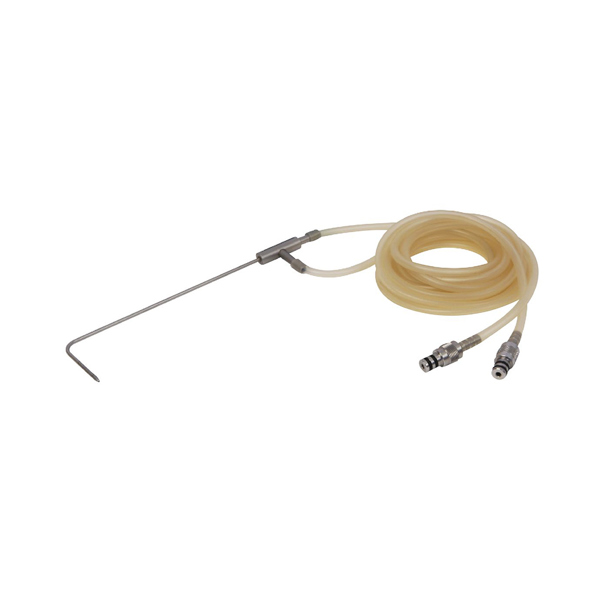
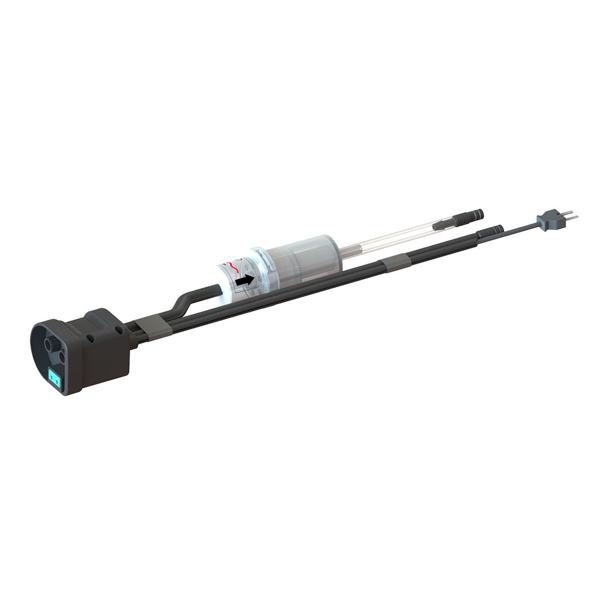
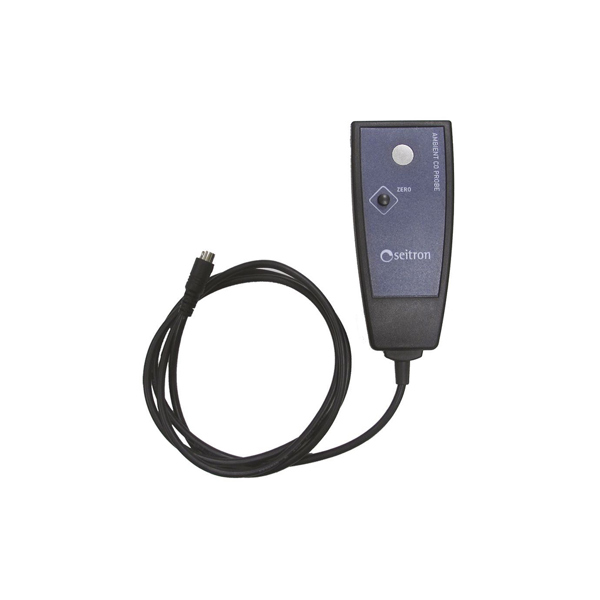
CO2 emissions are measured using a variety of tools and techniques, including emissions analyzers and environmental sensors . These instruments are able to detect and quantify the presence of CO2 in the air, allowing experts to monitor emission levels and identify the main sources of air pollution .
How to reduce CO2 emissions in everyday life?
For reduce CO2 emissions in everyday life , it is possible to adopt a series of simple but effective changes in habits and lifestyles.
Here are some practical tips:
- Use public transport , bicycle or walk instead of car for short trips.
- Optimize travel by car
- Reduce energy consumption or at home by using low energy consumption appliances, turning off the lights when they are not needed and adjusting the chronothermostat for more efficient use of energy. For further information: Energy efficiency: what it is, how to improve it .
- Reduce, reuse and recycle materials to limit resource consumption and environmental impact.
- Use renewable energy sources , such as solar or wind, when possible to power your home.
These are some examples of behaviors we can implement as private citizens. Then there is the aspect of emissions related to industry , where emissions analyzers come into play.

Emissions analyzers for companies, why are they important?
The emissions analyzers are essential tools for companies that want to monitor and reduce their emissions.
The use of analyzers is crucial for several reasons, including improvement of the efficiency of combustion processes , the reduction of energy costs and maintenance , the control of heat treatments , worker safety , compliance with emissions regulations .
These devices can be used in various sectors such as pharmaceutical, chemical, food, energy, mining, generally in all those situations where the production processes involve combustion in various ways.
Do you want to delve deeper into these topics? Here are some ideas:
- Analysis of industrial emissions
- Emissions analysis: monitor NOx and hydrocarbons
- Combustion analysis: improving performance
In conclusion, reducing emissions is an urgent challenge that requires the commitment of individuals, companies and governments around the world. With greater awareness and the use of appropriate tools, we can work together to limit the impact of climate change and protect our planet for future generations.